
Modern Trends in Edible Landscaping
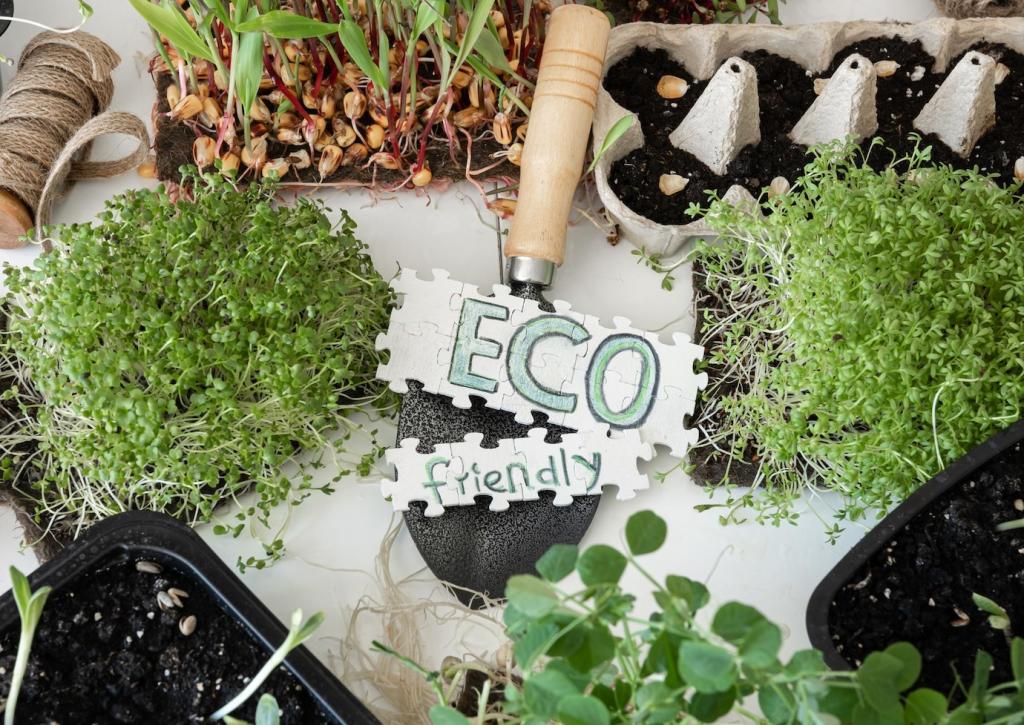
Chosen theme: Modern Trends in Edible Landscaping. Welcome to a world where flowerbeds serve dinner, hedges bear fruit, and patios offer herbs on demand. Here we blend beauty, biodiversity, and flavor into resilient, climate-smart gardens that invite conversation, curiosity, and generous harvests. Subscribe and join our community exploring what’s next in edible design.
Designing Beauty You Can Eat
A Productive Plant Palette
Build a palette that treats vegetables like ornamentals: rainbow chard for stained-glass leaves, purple basil for contrast, dwarf kale for texture, and artichoke as a sculptural focal point. Share your favorite showstopping edible in the comments and inspire a neighbor’s next garden plan.
Espaliers, Hedges, and Living Structure
Train apples and pears as espaliers to define paths while saving space, or edge borders with low blueberry hedges that glow red in fall. Shape rosemary and bay into clipped forms for evergreen structure. Post photos of your edible forms—your creativity might guide someone’s first layout.
Front-Yard Friendly Layouts
Modern trends favor tidy geometry: raised steel beds, gravel paths, and repetition of a few bold edibles. Keep 60% of the view evergreen, then punctuate with seasonal crops for rhythm. If you’ve converted lawn to lunch, tell us what won your neighbors’ hearts and noses.
Climate-Smart, Drought-Ready Edibles
Pair drip irrigation with deep organic mulches to cut evaporation and keep roots cool. Smart controllers adjust schedules after heat spikes or rain. Share which mulch—straw, wood chips, or living clover—performed best for you, and help others fine-tune their water savings.
Climate-Smart, Drought-Ready Edibles
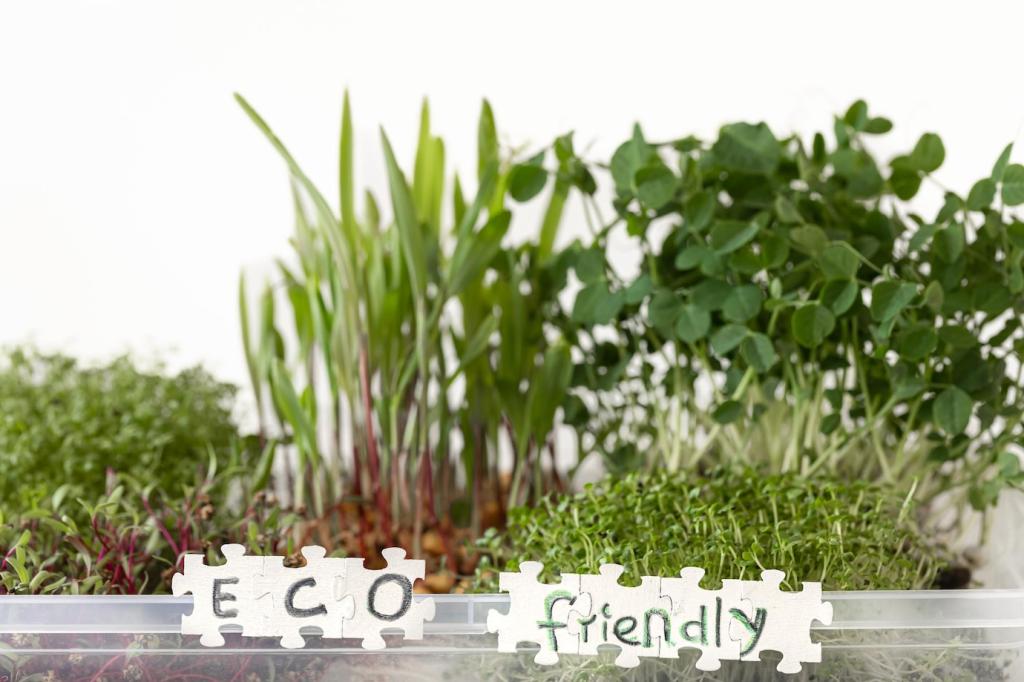
Select heat-tolerant tomatoes, drought-savvy herbs like thyme and sage, and figs that shrug off dry summers. In cooler snaps, row covers extend seasons without sacrificing looks. Tell us your region and the edible cultivars that stood strong when weather turned unpredictable.
Tech-Enabled Gardens
Soil Sensors and Insightful Monitoring
Moisture probes prevent overwatering, while simple pH tests guide amendments before problems appear. Pair readings with a garden journal app to spot patterns. If you’ve tried sensors, share your most surprising data reveal—your lesson might save someone’s basil patch.
Vertical Systems with Smart Lighting
Where sunlight is scarce, full-spectrum LEDs can supplement vertical herb walls on shaded balconies. Time lights to match plant needs and reduce waste. Post a snapshot of your vertical setup and the herbs you reach for most when dinner is simmering.
Data-Driven Harvest Planning
Track sowing dates, days to maturity, and yield notes to stagger plantings for continual harvests. Many gardeners now use simple spreadsheets shared with family. What tool keeps your harvest steady? Drop a tip and help fellow growers reduce feast-or-famine cycles.
Biodiversity, Pollinators, and Balance
Blend serviceberries for spring bloom, summer fruit, and fall color, or pawpaws for a lush understory treat where climate allows. These multifunctional natives support wildlife and people. Tell us which native edibles you’ve woven into beds and how they changed your garden’s rhythm.
Companion plantings recruit allies: dill and alyssum invite hoverflies, while nasturtium can distract aphids from greens. Avoid blanket sprays; let beneficial insects work. Share your most effective companion pairings so others can copy proven, beautiful pest-balance strategies.
Fine-mesh netting protects berries at ripeness, while timing harvests and leaving a small portion invites harmony. Water dishes for pollinators double as garden jewels. How do you balance wildlife and yield? Add your steady, real-world practices to our collective toolbox.

Small-Space, Big Harvests
Choose lightweight, deep containers with sturdy trellises, and mulch well against drying winds. Herbs like rosemary and oregano love the exposure. What container mix kept your peppers happiest up high? Share ratios and results to help other rooftop growers thrive.
Small-Space, Big Harvests
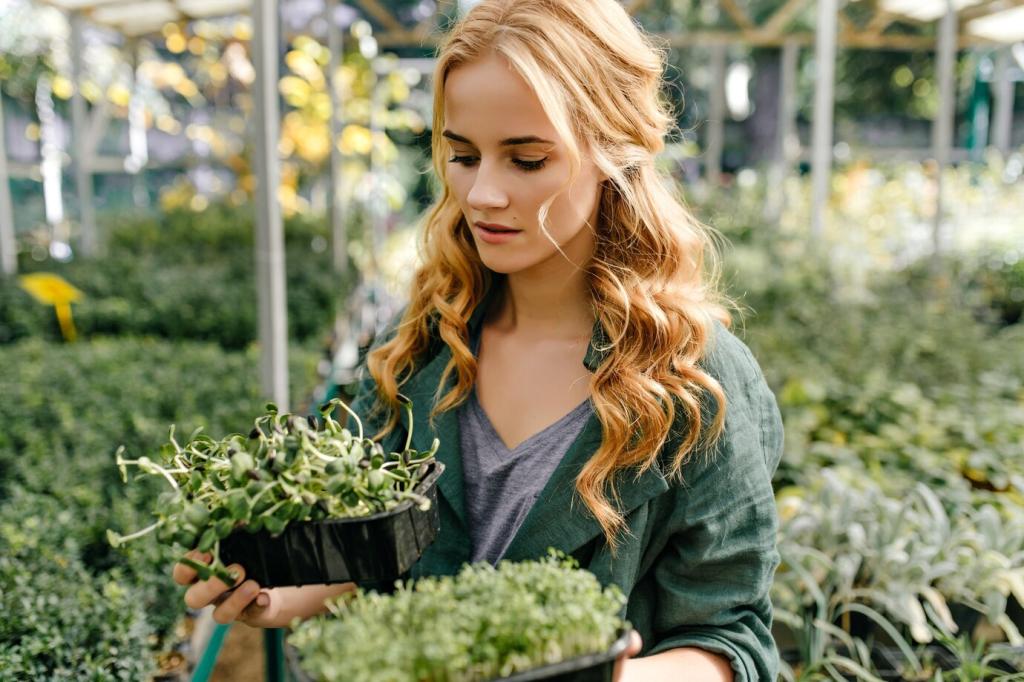
Pocket planters, stacked crates, and modular raised beds build layers of harvest on tight footprints. Cascading strawberries and trailing tomatoes add drama. Post your favorite vertical trick—one clever move can triple someone’s harvest without stealing a single step of floor space.
No-Dig Layers and Compost
Sheet mulch to smother weeds, then layer compost and organic matter to feed soil life. This gentle approach preserves structure and moisture. Share your favorite carbon sources—leaves, straw, or cardboard—and how your beds changed after one patient season.
Biochar and Fungal Allies
Properly charged biochar can improve water holding, while mycorrhizal-friendly practices help roots explore more soil. Avoid disturbing fungal networks when possible. If you’ve trialed biochar, tell us what you noticed in water needs and vigor over a full growing cycle.
Edible Flowers and Culinary Flair
Nasturtiums, calendula, and violas offer color, peppery or gentle flavors, and pollinator support. Always confirm edibility and proper identification before tasting. Share your go-to blooms for salads or desserts—and the moment guests realized the centerpiece was tonight’s garnish.
Edible Flowers and Culinary Flair
Lemon verbena, pineapple sage, and Thai basil are trending in mocktails and shrubs. Infuse simple syrups and freeze herb cubes for quick flair. What garden drink brightened your summer evenings? Tell us, and we’ll feature community favorites in an upcoming roundup.
The Blueberry Hedge That Won the Block
Replacing a boxwood line with lowbush blueberries delivered spring bloom, summer fruit, and fiery fall leaves. The HOA praised the tidy form; neighbors tasted the benefits. Share your hedge swaps—your story could embolden someone to plant a living pantry boundary.
A Sidewalk Herb Ribbon
Thyme, chives, and parsley traced a narrow path, labeled with small signs that invited polite pinches. Conversations bloomed alongside the plants. Tell us what signage or etiquette tips helped your shared-edible experiments flourish without misunderstanding.
The Trellis That Became Dinner
A simple cedar arch hosted cucumbers, pole beans, and scarlet runner flowers that fed hummingbirds and humans. Shade cooled the bench below. Post your trellis plant trio—what combo delivered beauty, pollinator joy, and a basketful come evening harvest?